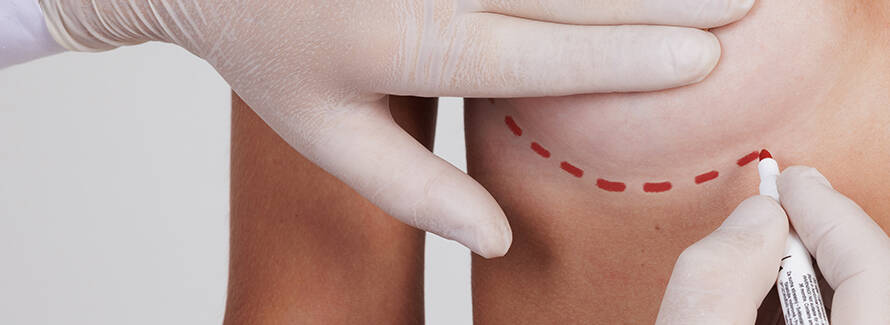

Self-dissolving (absorbable) sutures are designed to support tissue in the early stages of healing and then be broken down by the body over time. This guide includes information on which sutures can be expected to dissolve and how long they take to dissolve; basic care steps such as showering, dressing, and activity in the first weeks; and a practical checklist to help you distinguish between “normal” healing symptoms and warning signs. The goal is to reduce unnecessary anxiety and enable you to recognize real risks early and consult your team in a timely manner.
What Are Dissolvable (Absorbable) Stitches?
Dissolvable stitches (absorbable sutures) are designed to break down in the body over time, so they don’t require removal. Surgeons often use them below the skin surface to approximate deeper tissue layers and reduce tension on the incision. Sometimes the skin layer is also closed with absorbable stitches or with skin glue/steri-strips—your exact closure depends on the procedure and surgeon preference.
Your discharge sheet is your rulebook. If the advice below differs from your surgeon’s specific instructions, follow your surgeon’s plan.
If you have concerns at any point, you can reach the team: Contact the clinic.
Care Basics: The First 2–3 Weeks
1) Keep the incision clean and dry (as advised)
- Showering: Many patients may shower 24–48 hours after surgery if dressings are waterproof (or once dressings are removed), letting clean, lukewarm water run over the area.
- Pat to dry: Gently pat with a clean towel or sterile gauze; avoid rubbing.
- No soaking: Avoid baths, pools, hot tubs, saunas/steam until you’re cleared—soaking softens the wound edges and raises infection risk.
2) Dressings and skin adhesives
- If you have steri-strips or skin glue, let them peel off naturally. Don’t pick at edges.
- Replace non-waterproof dressings as directed. Always wash hands before touching the site.
3) Activity and tension
- Limit stretching, twisting, or lifting that pulls on the incision.
- Support the area when coughing or standing with a folded towel or your hand.
- Follow any garment or bra guidance precisely (if relevant to your procedure).
4) Skincare around—not on—the incision
- Use mild soap around (not on) the incision for the first days.
- Avoid oils, lotions, peroxide, iodine, or alcohol on the closed wound unless instructed.
Unsure whether you can shower or change a dressing today? Message the team and we’ll advise.
How Long Do Dissolvable Stitches Last? (Typical Timelines)
Absorbable sutures dissolve at different rates depending on material, location, blood supply, and your individual healing:
- Skin-level absorbables: often begin to soften/loosen by 1–2 weeks.
- Deeper sutures: commonly support tissues for several weeks, then gradually resorb over 4–12+ weeks.
- You may feel small “knots” or firm lines under the skin for some time—these usually soften as tissues remodel.
Important: These ranges are general. Your surgeon selected a specific material and plan for your operation—always follow their timeline for showers, exercise, and scar care.
Normal vs Abnormal: What You Might See
Normal, expected signs
- Mild pulling or tightness along the incision, especially with movement.
- Bruising and swelling that steadily improve over the first 2–3 weeks.
- Clear or slightly pink fluid on dressings in the first days.
- Small poking suture ends or “spitting” of a tiny knot at the skin as a stitch approaches the surface—often manageable with simple care after review.
Concerning signs — contact the clinic
- Increasing redness spreading away from the incision, worsening pain, warmth, or fever.
- Thick, yellow/green discharge, bad odour, or a new pocket of fluid (possible seroma/abscess).
- Edges gaping or separation of the wound.
- Sudden swelling or a tense area, especially with pain.
- Persistent bleeding that doesn’t slow with gentle pressure.
If any of these occur, don’t wait—contact us promptly or follow your local emergency guidance.
Do’s & Don’ts for Stitch Care
Do
- Do wash hands before any dressing change.
- Do let shower water run gently; pat dry with clean gauze.
- Do wear garments/brassieres as instructed (if applicable).
- Do log changes (redness, discharge, temperature) with dates/photos to share with your clinician.
- Do protect from sun once healed—SPF helps reduce darkening of the scar.
Don’t
- Don’t soak the wound (bath/hot tub/pool) until cleared.
- Don’t pick at glue, steri-strips, or suture ends.
- Don’t apply peroxide, alcohol, iodine, or creams/oils directly to the incision early on unless instructed.
- Don’t resume strenuous exercise, heavy lifting, or stretching the area before your surgeon says it’s safe.
- Don’t try to cut or pull any stitch on your own.
Still unsure? Send a secure message via yakupisik.com/en and we’ll guide you.
When to Call the Clinic (Decision Pointers)
Call if you notice any of the following:
- Redness is widening or more painful after it had been improving.
- Discharge becomes thicker, yellow/green, or foul-smelling.
- You develop fever or chills.
- A suture spits (pokes through) and the area becomes red/tender.
- You suspect the wound edges are pulling apart.
- You’re uncertain about a new activity (gym, swimming, travel) and need clearance.
Quick check? Use our contact page or send a secure message: /contact or yakupisik.com/en.
Product Tips (Non-Promotional)
Every surgeon uses a slightly different protocol. As a general, brand-neutral guide:
- Dressings: Non-adherent pads or sterile gauze as instructed. Replace if wet/soiled.
- Cleansing: Mild, fragrance-free soap for surrounding skin; sterile saline for gentle cleanse if advised.
- Adhesives: Let skin glue or steri-strips fall off naturally; don’t pull at edges.
- Scar care: Once the incision is fully closed and cleared by your surgeon, you may discuss silicone gel/sheets. Start only when told it’s safe.
- Support garments: Use the recommended garment or bra (if relevant) for comfort and reduced tension.
If you need a personalised list based on your procedure, ask the team—we’ll tailor it to your closure method and timeline.
Aftercare Timeline — At a Glance
- Days 0–2: Keep dressings clean/dry; short, careful showers if permitted; no soaking.
- Days 3–7: Bruising/swelling may peak, then begin to improve; walking is usually encouraged.
- Week 2: Many skin-level absorbables start softening or loosening; some steri-strips may release.
- Weeks 3–6: Activity and light exercise often increase (if cleared). Deep sutures continue to absorb.
- 6+ weeks: Scar maturation phase; discuss silicone therapy/sun protection if advised.
These ranges are illustrative. Always follow your individual plan.
FAQs
How long do dissolvable stitches last?
Absorbable sutures are designed to hold tissues during the early healing phase, then gradually break down over weeks to months. Skin-level absorbables may loosen by 1–2 weeks; deeper sutures often persist several weeks to 2–3 months (or more) as they resorb. Your surgeon will advise based on the material used.
Can I shower with dissolvable stitches?
Many patients can shower 24–48 hours after surgery if dressings are waterproof—or once dressings are removed—letting clean water run over the site and patting dry. Avoid soaking (baths, pools, hot tubs, sauna/steam) until cleared.
Is itching normal?
Mild itching or tightness is common as nerves wake up and the skin heals. Escalating redness, heat, pain, or discharge is not normal—contact the clinic if those occur.
A stitch end is poking out—can I trim it?
Don’t cut or pull any suture yourself. Occasionally a small “spitting” stitch may emerge as it dissolves; we can usually manage this with simple care in clinic. Send a photo and we’ll advise: /contact or yakupisik.com/en.