
Contact (WhatsApp): Chat with us now for quick answers about candidacy, pricing, and scheduling.
Mia Breast Harmonization is a new-generation approach to minimally invasive breast augmentation designed for patients seeking a natural, subtle enhancement with minimal scarring and a faster recovery compared with traditional methods. Often referred to as Mia Femtech in the aesthetics community, the technique focuses on delivering a modest 1–2 cup size increase using small incision breast implants placed—most commonly—through an underarm incision (also called a transaxillary approach). The goal is to harmonize the breasts with the overall body proportions rather than to maximize volume.
As interest in Mia breast augmentation rises, so do questions: How does it differ from conventional implant surgery? Who is an ideal candidate? What are the pros, cons, and safety considerations? In this guide, you’ll find a clear, patient-friendly breakdown of the Mia method, supported by practical decision points and next steps. For more about our philosophy and outcomes, you can explore the clinic site: mia-yakupisik.com.
What Is the Mia Technique?
Mia Breast Harmonization is a streamlined, minimally invasive breast augmentation technique that uses a small incision—most commonly in the underarm—to create a discreet access point. Through this route, a specially designed delivery system positions the implant precisely, aiming to minimize tissue disruption while maintaining control over implant placement and pocket formation.
Key Principles of Mia Femtech
- Minimal Incision, Minimal Scar: By leveraging an underarm incision, the scar is hidden in the natural crease of the armpit, keeping the breast mound and areola untouched. This is why many patients search for “small incision breast implants” and “underarm incision” when considering subtle augmentation.
- Subtle, Natural-Looking Volume: Ideal for a 1–2 cup increase to refine shape and correct mild asymmetry without an exaggerated look—closely aligned with the term “breast harmonization.”
- Recovery Mindset: With less disruption, patients typically report a smoother early recovery and may return to desk-based work faster than with many traditional techniques (timelines always vary by individual).
Why Patients Choose Mia Breast Augmentation
- Aesthetic discretion: No scar on the breast surface; the underarm incision tends to be easier to conceal.
- Natural silhouette: Mia prioritizes shape balance and proportion rather than dramatic size changes.
- Procedure efficiency: The technique is optimized for precise implant delivery with a focus on predictability and control.
For visuals, clinical philosophy, and care pathways, see: mia-yakupisik.com.
How It Differs from Traditional Implants
Many patients compare Mia breast augmentation vs. traditional breast implants to decide which path is the best fit. Below is a side-by-side perspective.
Incision Strategy and Scar Placement
- Mia / Transaxillary (Underarm Incision):
The incision is in the armpit, keeping the breast mound free of scars. This is the primary reason people search for “underarm incision” or “transaxillary” augmentation. - Traditional Approaches (Inframammary / Periareolar):
Incisions are typically at the breast fold (inframammary) or around the areola (periareolar). Both are time-tested options but leave a mark on or near the breast itself.
Invasiveness and Soft-Tissue Handling
- Mia / Minimally Invasive Breast Augmentation:
The technique aims to limit soft-tissue trauma and streamline implant delivery—hence “minimally invasive”. - Traditional Implant Placement:
Can still be very gentle in experienced hands, but incisions and pocket creation may involve more visible access points on the breast.
Volume Goals and Aesthetic Philosophy
- Mia Breast Harmonization:
Best suited for subtle, proportional enhancement and 1–2 cup increases. - Traditional Augmentation:
Offers broader size options, including larger volume changes and more dramatic transformations.
Recovery Expectations
- Mia Approach:
Many candidates pursue Mia because they desire a shorter initial downtime and discreet scar placement. - Traditional Augmentation:
Recovery depends on implant size, pocket plane, and patient factors; downtime is individualized.
Contact (WhatsApp): Not sure which path fits your goals? Message us here for personalized guidance.
Ideal Candidates and Limitations
Choosing the right technique starts with clear expectations and an honest appraisal of your anatomy and lifestyle.
Who Is an Ideal Candidate for Mia Breast Augmentation?
- You want a natural, balanced enhancement. If your goal is to refine shape and create a gentle 1–2 cup increase, Mia Breast Harmonization is aligned with that target.
- You prefer an off-breast scar location. The underarm incision keeps the breast itself free of scars.
- You value minimized downtime. If you’re aiming to return to daily activities sooner (within medical guidance), the minimally invasive nature of Mia can be appealing.
- Your tissue quality supports the plan. Adequate skin quality and realistic volume expectations matter for stable, aesthetic results.
Who Might Consider Traditional Implants Instead?
- You want a significant size increase. If your dream look is more than 1–2 cup sizes, a traditional route may offer more options.
- You need a lift (mastopexy). When ptosis (sagging) is present, lifting and implant placement may be combined; the incision strategy can differ from Mia.
- You have complex revision needs. Prior surgeries, capsular contracture, or anatomical challenges may be better addressed with a tailored traditional approach.
For candidacy assessments, imaging, and personalized simulations, visit: mia-yakupisik.com.
Pros, Cons, and Safety Considerations
Pros of Mia Breast Harmonization
- Minimal scar on the breast thanks to the underarm incision.
- Natural-looking enhancement ideal for subtle volume goals.
- Streamlined early recovery associated with minimally invasive breast augmentation techniques.
- High patient satisfaction among those prioritizing proportion and discretion.
Potential Cons or Limitations
- Limited volume increase: Best for 1–2 cup changes; larger goals may be better served by traditional methods.
- Not a substitute for a lift: If nipple position and skin laxity are factors, a mastopexy plan may be required.
- Technique-dependent: Outcomes rely on surgeon expertise with Mia Femtech principles and transaxillary pocket control.
Safety Considerations
All breast implant procedures—Mia included—carry general surgical risks (bleeding, infection, anesthesia reactions) and implant-specific considerations (asymmetry, malposition, capsular contracture). The key to minimizing risk is:
- Thorough pre-op screening and clear documentation of goals and constraints.
- Meticulous technique in pocket creation and implant handling.
- Structured follow-up, with early attention to any abnormal symptoms (increasing pain, redness, fever, sudden swelling).
Contact (WhatsApp): Have questions about safety or follow-up? Chat with a coordinator.
How to Prepare and What to Expect
Pre-Consultation Checklist
- Aesthetic goals: Save reference photos that reflect your preferred shape and size (subtle, proportionate).
- Medical history: Bring a complete list of medications, prior surgeries, and any breast imaging.
- Lifestyle factors: Work demands, fitness routines, and future pregnancy plans can influence timing and approach.
The Procedure Day in Brief
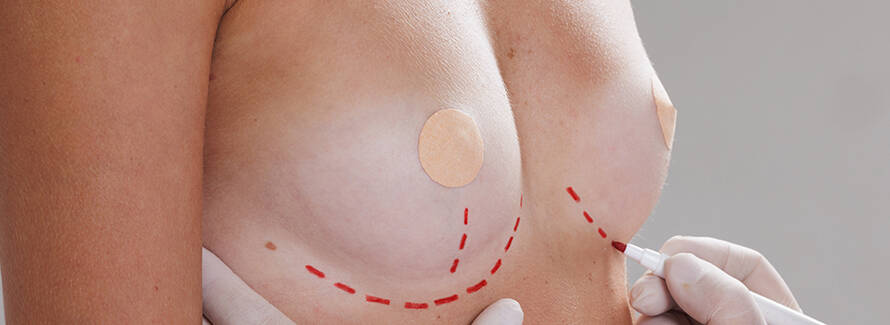
- Marking and planning: Measurements and implant selection are confirmed.
- Underarm incision & delivery: A controlled access point is created in the armpit; the implant is inserted and positioned.
- Closure & dressing: Incision is closed with careful technique to support healing; you’ll receive aftercare instructions.
Recovery Milestones (Typical)
- First 48–72 hours: Focus on rest, prescribed medications, and movement as advised.
- Days 4–7: Many patients feel more comfortable performing light activities; avoid lifting per guidance.
- Weeks 2–4: Gradual return to normal routines; exercise is phased in once cleared.
Your specific plan will always be customized.
Mia vs. Other Options (Fat Transfer, Traditional Augmentation)
Fat Transfer
Fat grafting can refine contour and soften edges, but volume retention varies and multiple sessions may be needed for larger goals. Mia offers more predictable, one-session volume in the modest range.
Traditional Augmentation
When a larger size increase or a lift is required, traditional techniques may be preferable. The trade-off is a scar on or near the breast versus the underarm incision of Mia.
Results You Can Live With
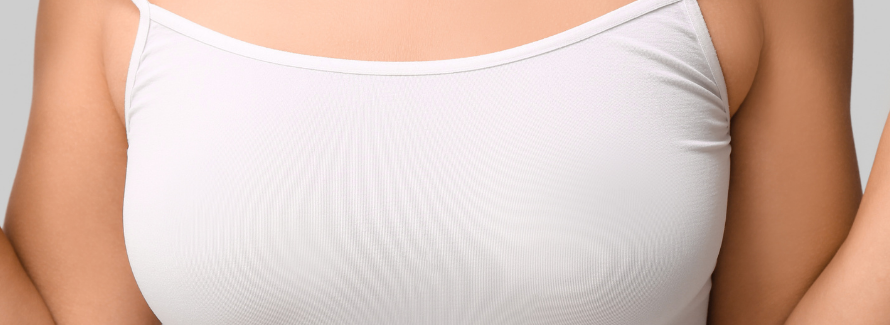
The essence of Mia Breast Harmonization is balance—matching the breast to the body’s natural lines. It’s not about maximizing size; it’s about proportion, subtlety, and confidence in daily life, clothing, and movement. If that’s your aesthetic, Mia may be your ideal path.
- Learn more about our approach: mia-yakupisik.com
- Explore candidacy and scheduling options with our team: mia-yakupisik.com
Next Steps: Book a Personalized Consultation
Every decision in breast aesthetics benefits from a one-to-one consultation. We’ll review your goals, examine tissue quality, discuss implant options, and build a realistic plan that respects both your anatomy and lifestyle. Whether you choose Mia Femtech or a traditional route, the right choice is the one that aligns with your expectations and long-term comfort.
Contact (WhatsApp): Ready to talk to a coordinator? Start a chat now.
Frequently Asked Questions (FAQ)
How visible is the scar with an underarm incision?
The underarm incision is designed to sit in a natural crease, making it easier to hide in daily life and swimwear. Scar maturation varies by individual, but diligent care (sun protection, surgeon-approved scar protocols) supports the best outcome.
What cup size increase is typical with Mia breast augmentation?
Mia is best suited to a 1–2 cup increase. If you’re looking for more dramatic volume, a traditional approach may expand your options.
Can I breastfeed after Mia breast harmonization?
Breastfeeding depends on many factors. Because the incision is away from the areola and ducts, the Mia approach is anatomically favorable, but there are no absolute guarantees. Discuss your plans during your consultation.
How soon can I return to work?
Desk-based workers often return sooner with minimally invasive breast augmentation, but timelines vary. Your surgeon will provide specific activity and lifting guidelines.
Is Mia Femtech right for asymmetry correction?
Mia can be helpful for mild asymmetry, though more complex differences may require a hybrid or traditional plan.