
After MIA Femtech, your results aren’t shaped by surgery day alone. They’re shaped by what happens next: the first 72 hours, sleep and posture, the right bra/garment routine, sensible movement thresholds, and knowing exactly what to avoid.
Important: This is general education, not medical advice. Always follow your surgeon’s protocol.
WhatsApp: Get your personalized aftercare checklist PDF (lead magnet)
Aftercare Checklist Table (Item | When | Why | Mistakes)
| Item | When | Why it matters | Common mistakes |
| Rest + head/torso elevation | First 72h, then as needed | Reduces swelling, improves comfort | Flat sleeping too early; no walking breaks |
| Short walks (indoors) | Day 0 onward (if cleared) | Circulation, mood, clot-risk reduction | Staying in bed all day; long walks too soon |
| Hydration | Day 0 onward | Supports healing and energy | Dehydration; alcohol; excess caffeine |
| Incision/dressing rules | As instructed | Protects healing, lowers infection risk | Touching incisions; removing dressings early |
| Support bra/garment | Immediately post-op onward | Controls movement, supports comfort | Switching to fashion bra early; underwire too soon |
| No lifting/pushing/pulling | Usually 2+ weeks (varies) | Protects internal tissues | Vacuuming, carrying bags, lifting kids |
| Driving restriction | Until cleared | Safety + mobility + meds | Driving on sedating meds; turning strain |
| Shower protocol | Only when cleared | Protects incisions | Hot showers; rubbing incision areas |
| Medication adherence | First days/weeks | Pain and inflammation control | DIY OTC mixing; skipping then doubling |
| Smoking/vaping avoidance | Before & after | Improves healing and lowers risk | Relapse “just one” early |
| Follow-up attendance | As scheduled | Monitoring and early problem detection | Flying out too early; skipping checks |
First 72 Hours Checklist
The first three days are about predictable healing. Keep your routine simple: rest with elevation, short walks, hydration, light meals, and strict adherence to garments/dressings and the medication schedule.
- Do: rest, elevate, walk briefly and often (if cleared), hydrate, eat simple foods, log medications.
- Don’t: drive, drink alcohol, smoke/vape, lift, reach overhead repeatedly, use heat/steam unless approved.
Sleep & Posture Rules (Why They Matter)
Sleep position is pressure management. Back sleeping with slight elevation is commonly recommended early to reduce swelling and make transitions easier. Side sleeping is only appropriate when cleared by your surgeon; comfort is not the deciding factor.
Bras/Garments: What Matters
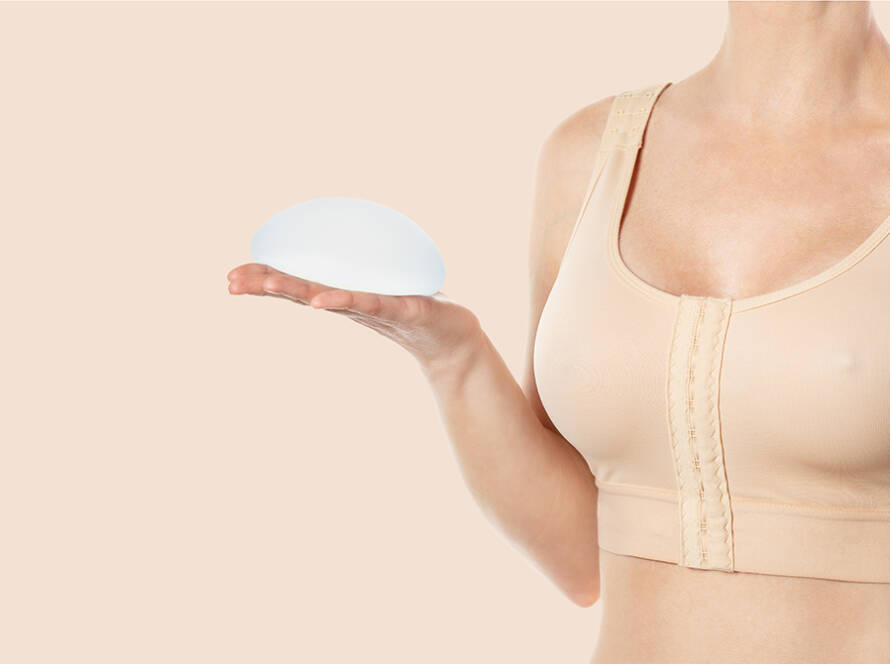
Support is part of swelling and comfort control. Avoid switching early to fashion bras; avoid underwire unless explicitly cleared. Keep garments clean and dry, and ensure they don’t rub incision zones.
Medication Basics (Patient-Safe)
Use only medications prescribed or specifically approved by your clinic. Avoid combining OTC pain meds without guidance. Avoid alcohol while on pain meds. Ask your clinic before restarting supplements, as some can affect bleeding or swelling.
Showering & Hygiene
Showering depends on the dressing and incision protocol. Shower only when cleared; use lukewarm water, avoid direct pressure on incisions, and pat dry gently. Avoid baths, sauna/steam, and swimming until approved.
Walking vs Workouts (Thresholds)
Walking is the safest early activity. Workouts should return in stages and only when cleared. Many protocols progress from walking → light lower-body work → low-impact cardio → upper body → chest training last.
Travel + Flying Considerations
If you’re traveling, avoid tight schedules that skip follow-ups. Pack front-opening clothes, supportive garments, prescribed meds, and keep the clinic contact channel ready. Ask your clinic for a contingency plan and remote check schedule.
Return-to-Activity Table
| Activity | Typical earliest window (varies) | What “safe” looks like | Common mistake |
| Short indoor walks | Day 0–1 | No strain, comfortable breathing | Staying in bed all day |
| Desk work (remote) | Days 4–7 | Upright posture, breaks, no reaching | Long hours, no breaks |
| Driving | After clearance | Full mobility; no sedating meds | Driving too early/on meds |
| Light household tasks | Week 1–2 | No lifting/pushing/pulling | Vacuuming, carrying bags |
| Brisk walking | Week 2–3 | No bouncing discomfort | Turning it into jogging |
| Gym (lower body) | Weeks 3–4+ | Light load, no strain | Heavy weights too soon |
| Running/impact cardio | Week 4+ (often later) | No swelling spikes; proper support | Jumping into HIIT |
| Chest workouts | Later (surgeon-led) | Gradual and approved | Testing push-ups early |
| Flying | Surgeon-led | Follow-up plan + buffer days | Flying too early/tight schedule |
FAQ (Snippet-Style)
- What’s the most important aftercare rule? Consistency with garments, movement limits, and hygiene.
- When can I shower? Only when your clinic clears it based on dressings/incisions.
- Can I sleep on my side? Only after clearance; back sleeping early is common.
- When can I drive? After clearance: full mobility, no sedating meds.
- Is swelling still normal if I feel fine? Yes—swelling can fluctuate independently of comfort.
WhatsApp: Get your personalized aftercare checklist PDF